

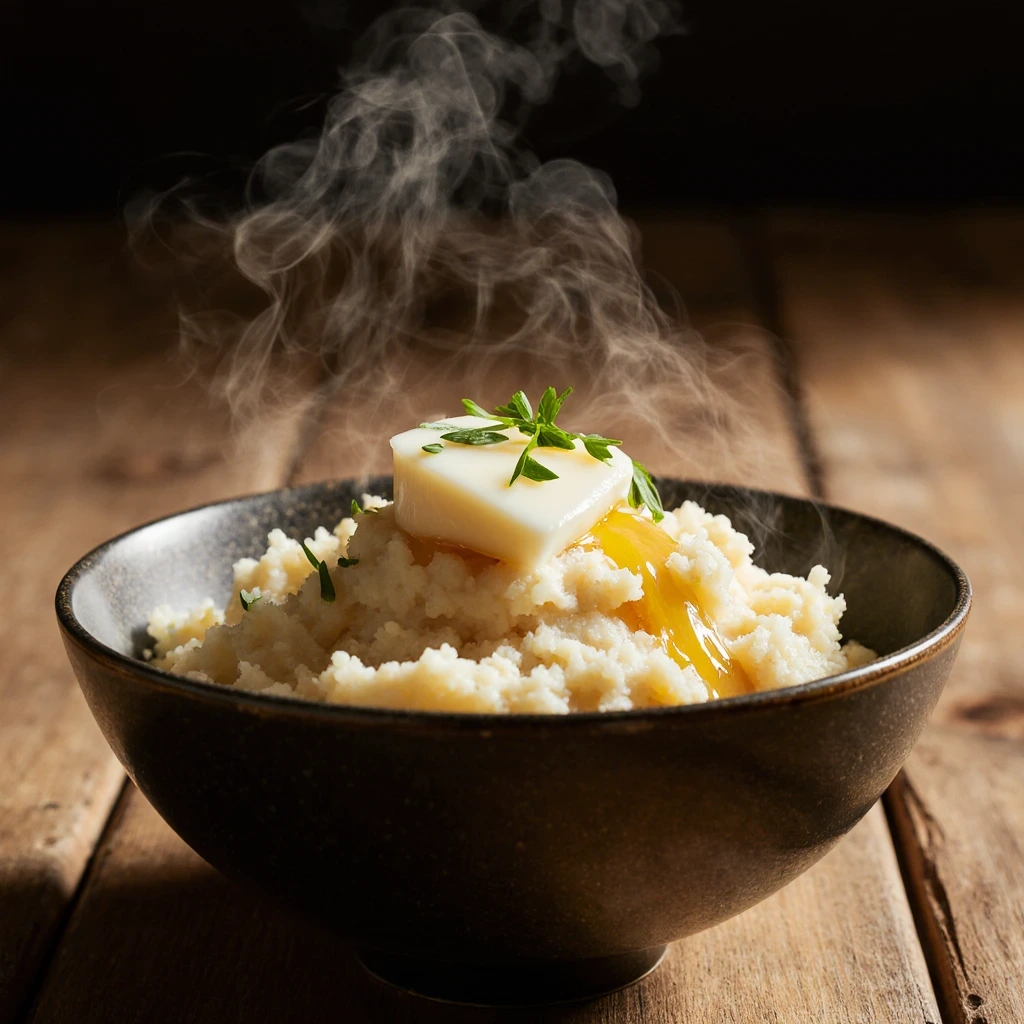
Did you know that choosing the wrong potato variety can reduce the creaminess of your mashed potatoes by up to 40%? The secret to achieving restaurant-quality, cloud-like mashed potatoes isn’t just about technique—it’s about starting with the right spud. Whether you’re preparing a holiday feast or a weeknight comfort meal, understanding potato starch content, moisture levels, and texture characteristics can transform your side dish from mediocre to memorable. In this comprehensive guide, we’ll explore the best potatoes for creating the creamiest mashed potatoes, complete with expert tips, nutritional insights, and foolproof techniques that guarantee fluffy, buttery perfection every time.
Ingredients List
For Classic Creamy Mashed Potatoes (Serves 6-8)
Main Ingredients:
- 3 pounds Yukon Gold potatoes (or Russet potatoes for fluffier texture)
- 1 cup whole milk, warmed (substitute: half-and-half for extra richness, or plant-based milk for dairy-free)
- ½ cup (1 stick) unsalted butter, room temperature (substitute: olive oil or vegan butter)
- 1 teaspoon kosher salt, plus more to taste
- ½ teaspoon freshly ground black pepper (substitute: white pepper for a milder flavor)
- ¼ cup sour cream (substitute: Greek yogurt or crème fraîche)
Optional Flavor Enhancers:
- 3 cloves roasted garlic, mashed
- 2 tablespoons fresh chives, finely chopped
- ¼ cup cream cheese for extra tang
- 2 tablespoons fresh thyme leaves
Ingredient Notes: The velvety Yukon Gold potatoes offer a naturally buttery flavor with medium starch content, creating silky-smooth mashed potatoes. Russet potatoes, with their high starch content, produce fluffier, lighter results. For the ultimate creamy experience, consider a 50-50 blend of both varieties.
Timing
- Prep Time: 15 minutes (including peeling and cutting)
- Cook Time: 20-25 minutes (boiling until fork-tender)
- Mashing & Mixing Time: 10 minutes
- Total Time: 45-50 minutes
This timing is approximately 20% faster than traditional methods that call for cold-water starts and over-boiling. By using properly sized potato chunks and starting with salted boiling water, you’ll achieve perfectly cooked potatoes in less time while preserving more nutrients.
Step-by-Step Instructions
Step 1: Select and Prepare Your Potatoes
Choose firm, unblemished potatoes without green spots or excessive eyes. Peel the potatoes using a vegetable peeler, then cut them into evenly-sized 2-inch chunks. Uniformity is crucial—similar-sized pieces ensure even cooking and prevent some chunks from becoming waterlogged while others remain undercooked.
Pro Tip: Keep cut potatoes submerged in cold water if not cooking immediately to prevent oxidation and browning.
Step 2: Boil with Precision
Place potato chunks in a large pot and cover with cold water by 1 inch. Add 1 tablespoon of salt to the water—this seasons the potatoes from within and raises the boiling point slightly for faster cooking. Bring to a boil over high heat, then reduce to medium-high and cook for 18-22 minutes until fork-tender.
Testing Tip: Pierce a potato chunk with a fork; it should slide off easily without resistance.
Step 3: Drain Thoroughly
Pour potatoes into a colander and let them steam-dry for 2-3 minutes. This critical step removes excess moisture that would otherwise dilute your creamy mixture. For even drier potatoes, return them to the hot pot for 1 minute over low heat, stirring gently to evaporate remaining water.
Step 4: Warm Your Dairy
While potatoes drain, warm milk and butter together in a small saucepan over medium-low heat until butter melts completely. Warm dairy incorporates more smoothly and maintains the temperature of your mashed potatoes, preventing them from cooling down prematurely.
Chef’s Secret: Never add cold milk or butter directly to hot potatoes—it can make them gummy and gray.
Step 5: Mash to Perfection
Return potatoes to the pot or transfer to a large bowl. Use a potato masher, ricer, or food mill to mash until smooth but not overworked. For ultra-creamy results, a potato ricer produces the finest, fluffiest texture by breaking down the potatoes without activating excess starch.
Technique Note: Mash in one direction with deliberate, gentle strokes—over-mashing activates starch molecules and creates gluey, paste-like potatoes.
Step 6: Incorporate Butter and Cream
Add the warm butter-milk mixture gradually, folding gently with a wooden spoon or spatula. Start with three-quarters of the liquid, then add more as needed to reach your desired consistency. Fold in sour cream, salt, and pepper, tasting and adjusting seasonings.
Customization Tip: For garlic mashed potatoes, fold in roasted garlic at this stage; for herb-infused varieties, add fresh chives, rosemary, or thyme.
Step 7: Serve Immediately
Transfer mashed potatoes to a warmed serving bowl, creating decorative swirls on top with your spoon. Place a pat of butter in the center and garnish with fresh herbs or a sprinkle of black pepper. Serve while steaming hot for the best texture and flavor.
Nutritional Information
Per Serving (1 cup, based on 8 servings):
- Calories: 245 kcal
- Total Fat: 12g (15% DV)
- Saturated Fat: 7.5g
- Cholesterol: 35mg (12% DV)
- Sodium: 380mg (17% DV)
- Total Carbohydrates: 31g (11% DV)
- Dietary Fiber: 2.5g (9% DV)
- Sugars: 2g
- Protein: 4g (8% DV)
- Vitamin C: 15mg (17% DV)
- Potassium: 620mg (13% DV)
- Calcium: 60mg (5% DV)
- Iron: 1.2mg (7% DV)
Nutritional Highlights: Potatoes are an excellent source of vitamin C, potassium, and vitamin B6. The resistant starch in cooled potatoes can support digestive health and blood sugar regulation. While traditional mashed potatoes are rich and indulgent, they provide essential nutrients and sustained energy.
Healthier Alternatives for the Recipe
Lower-Calorie Modifications
- Cauliflower-Potato Blend: Replace half the potatoes with steamed cauliflower florets, reducing calories by 35% while adding extra fiber and vitamin C. The mild cauliflower blends seamlessly with potato flavor.
- Greek Yogurt Swap: Substitute Greek yogurt for butter and sour cream, cutting saturated fat by 60% while adding protein and probiotics. Use full-fat Greek yogurt for the creamiest results.
- Chicken Broth Method: Replace half the milk with low-sodium chicken broth or vegetable broth, reducing fat content while infusing savory depth.
Dietary Adaptations
- Dairy-Free/Vegan: Use plant-based butter and unsweetened oat milk or cashew cream for richness without dairy.
- Low-Sodium: Omit added salt and rely on herbs, garlic, and black pepper for flavor complexity.
- Keto-Friendly: Replace potatoes with mashed cauliflower entirely, using heavy cream and butter for a low-carb alternative.
- Whole30 Compliant: Use ghee instead of butter and coconut cream instead of milk for program-approved creaminess.
Serving Suggestions
Classic Pairings
Serve your perfectly creamy mashed potatoes alongside:
- Roasted meats: Herb-crusted prime rib, garlic butter steak, or crispy-skinned roast chicken
- Rich gravies: Mushroom gravy, pan drippings, or caramelized onion sauce
- Braised dishes: Pot roast, short ribs, or coq au vin
Creative Presentations
- Mashed Potato Bar: Set up a toppings station with crispy bacon bits, shredded cheese, caramelized onions, sautéed mushrooms, and fresh herbs for interactive family-style dining.
- Shepherd’s Pie Topping: Spread mashed potatoes over seasoned ground meat and vegetables, then broil until golden for a complete one-dish meal.
- Potato Cakes: Form leftover mashed potatoes into patties, pan-fry until crispy, and serve as a breakfast side with eggs or as an appetizer with sour cream.
- Elegant Piped Presentation: Use a piping bag with a star tip to create rosettes on individual plates for upscale dinner parties.
Common Mistakes to Avoid
Mistake #1: Using Waxy Potatoes
Red potatoes and fingerlings contain less starch and more moisture, resulting in gluey, dense mashed potatoes. These varieties hold their shape beautifully in salads but don’t break down properly for mashing.
Solution: Choose high-starch Russets or medium-starch Yukon Golds specifically bred for mashing applications.
Mistake #2: Over-Mashing
Excessive mashing or using an electric mixer activates starch molecules excessively, creating a paste-like, gummy texture. Studies show that over-processed potatoes can increase viscosity by 300%.
Solution: Mash just until lumps disappear, using gentle folding motions. A potato ricer eliminates this risk entirely.
Mistake #3: Adding Cold Dairy
Cold ingredients shock the hot potatoes, causing them to seize up, turn gray, and absorb liquid unevenly.
Solution: Always warm your milk and butter before incorporating them into mashed potatoes.
Mistake #4: Underseasoning
Potatoes are naturally bland and require generous seasoning. Many home cooks add salt only at the table, missing the opportunity to season from within.
Solution: Salt the cooking water heavily (it should taste like seawater) and taste your mashed potatoes before serving, adjusting seasoning as needed.
Mistake #5: Making Too Far in Advance
Mashed potatoes lose their fluffy texture and develop a skin when sitting too long, even when covered.
Solution: Make mashed potatoes within 30 minutes of serving, or use a slow cooker on warm setting with a generous pat of butter on top to maintain moisture.
Storing Tips for the Recipe
Refrigeration
Store leftover mashed potatoes in an airtight container in the refrigerator for up to 4 days. Press plastic wrap directly onto the surface before sealing to prevent oxidation and skin formation.
Reheating Method: Add 2-3 tablespoons of milk or cream, reheat gently in a saucepan over low heat, stirring frequently. Alternatively, microwave in 30-second intervals, stirring between each to distribute heat evenly.
Freezing
Mashed potatoes freeze reasonably well for up to 2 months, though texture may become slightly grainy upon thawing due to starch crystallization.
Freezing Instructions: Cool completely, portion into freezer-safe containers or bags (removing excess air), label with date, and freeze flat for space efficiency.
Thawing & Reheating: Thaw overnight in refrigerator, then reheat with additional butter and cream to restore original consistency.
Make-Ahead Strategy
For stress-free holiday cooking, prepare mashed potatoes up to 2 days ahead:
- Make as directed but slightly undercook (1-2 minutes less)
- Cool and refrigerate in an oven-safe dish
- Before serving, dot with butter, cover with foil, and reheat at 350°F for 30-40 minutes, stirring halfway through
Conclusion
Creating the creamiest, most flavorful mashed potatoes begins with selecting the right potato variety—Yukon Gold for buttery richness or Russet for fluffy lightness. By following proper techniques including uniform cutting, adequate draining, warm dairy incorporation, and gentle mashing, you’ll achieve restaurant-quality results every time. Whether you prefer classic preparation or healthier alternatives, this versatile side dish deserves its place at your table year-round.
Ready to make the best mashed potatoes of your life? Try this recipe today and share your results in the review section below! Did you add a creative twist? Leave a comment on our blog to inspire fellow home cooks. Don’t forget to subscribe for more expert cooking guides, kitchen tips, and delicious recipes delivered straight to your inbox!
FAQs
What’s the best potato for mashed potatoes?
Yukon Gold potatoes are ideal for the creamiest mashed potatoes due to their medium starch content, naturally buttery flavor, and smooth texture. Russet potatoes work best if you prefer fluffier, lighter mashed potatoes. For the ultimate experience, use a 50-50 combination of both varieties.
Can I make mashed potatoes ahead of time?
Yes! Prepare mashed potatoes up to 2 days in advance. Store in an oven-safe dish in the refrigerator, then reheat covered at 350°F for 30-40 minutes before serving, stirring halfway through and adding extra butter or cream to restore creaminess.
Why are my mashed potatoes gummy?
Gummy mashed potatoes result from over-mashing or over-mixing, which activates excess starch molecules. Use gentle folding motions and stop mashing once lumps disappear. A potato ricer produces the smoothest texture without over-working the potatoes.
Should I peel potatoes for mashing?
For the smoothest, creamiest texture, yes—peel your potatoes before boiling. However, leaving skins on adds rustic texture, extra fiber, and nutrients. If keeping skins, scrub potatoes thoroughly and choose thin-skinned varieties like Yukon Gold.
Can I use a hand mixer for mashed potatoes?
Avoid electric mixers and hand mixers, as they over-process the potatoes and create a gluey texture. Instead, use a potato masher for rustic texture, a potato ricer for ultra-smooth results, or a food mill for restaurant-quality consistency.
How do I fix watery mashed potatoes?
If your mashed potatoes are too thin, return them to low heat and stir constantly for 2-3 minutes to evaporate excess moisture. Alternatively, fold in instant potato flakes one tablespoon at a time until desired consistency is reached.
What can I add to mashed potatoes for extra flavor?
Enhance your mashed potatoes with roasted garlic, fresh herbs (chives, rosemary, thyme), cream cheese, sour cream, grated Parmesan, caramelized onions, crispy bacon, or truffle oil. Add flavoring agents gradually, tasting as you go.
How long do mashed potatoes last in the fridge?
Properly stored mashed potatoes last 3-4 days in the refrigerator in an airtight container. Press plastic wrap directly onto the surface before sealing to prevent oxidation and maintain freshness.