

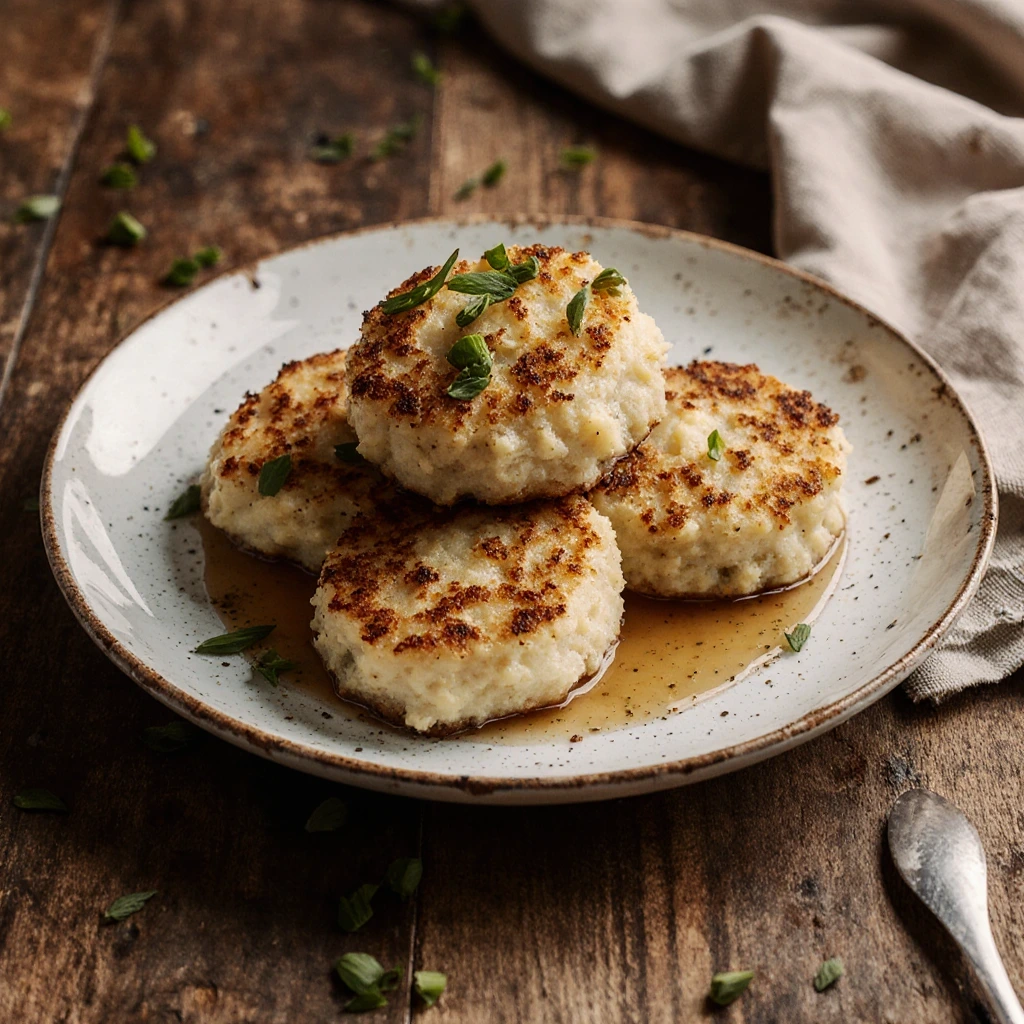
Did you know that nearly 30% of leftover mashed potatoes end up in the trash, yet transforming them into mashed potato cakes can create a dish that’s actually more popular than the original meal? These crispy, golden discs of comfort food magic have become a culinary phenomenon, turning humble leftovers into a crowd-pleasing appetizer or side dish that rivals restaurant-quality fare. Whether you’re looking to breathe new life into last night’s potatoes or planning to make mashed potatoes specifically for Mashed Potato Cakes, mashed potato cakes deliver an irresistible combination of creamy interior and perfectly crisped exterior that will have everyone asking for seconds.
The beauty of Mashed Potato Cakes lies in its simplicity—just five essential ingredients stand between you and Mashed Potato Cake perfection. This approachable dish proves that impressive results don’t require complicated techniques or exotic ingredients. Let’s dive into creating these versatile, budget-friendly cakes that work equally well for breakfast with eggs, as a dinner side, or as an addictive snack any time of day.
Ingredients List Mashed Potato Cakes
Essential Ingredients:
- 2 cups mashed potatoes (leftover or freshly made, cooled to room temperature)
- 1 large egg (acts as the binding agent)
- 1/3 cup all-purpose flour (provides structure and helps achieve crispiness)
- 1/4 cup shredded cheese (cheddar, Parmesan, or your favorite variety)
- 2-3 tablespoons vegetable oil or butter (for pan-frying to golden perfection)
Optional Flavor Boosters:
- Fresh or dried herbs (chives, parsley, or dill)
- Minced garlic or garlic powder
- Black pepper and additional salt to taste
- Crumbled bacon bits
- Diced green onions
Smart Substitutions:
- Gluten-free option: Replace all-purpose flour with almond flour, rice flour, or gluten-free all-purpose blend
- Dairy-free: Use nutritional yeast instead of cheese and coconut oil for frying
- Egg-free: Substitute with 2 tablespoons ground flaxseed mixed with 3 tablespoons water (let sit for 5 minutes)
- Lower-fat version: Use Greek yogurt-based mashed potatoes and air-fry instead of pan-frying
The key to exceptional Mashed Potato Cakes starts with the right texture of mashed potatoes—they should be relatively smooth but not overly whipped, as too much air incorporation can make the cakes fall apart during cooking.
Timing
Preparation Time: 10 minutes
Cooking Time: 15-20 minutes
Total Time: 25-30 minutes
Servings: 8-10 potato cakes (approximately 3 inches in diameter)
This recipe is remarkably efficient, taking about 40% less time than creating an equivalent side dish from scratch. The actual hands-on time is minimal—most of your effort goes into the satisfying process of shaping and flipping these golden beauties. If you’re using leftover mashed potatoes straight from the refrigerator, add 5 minutes to bring them to room temperature, which ensures even cooking and better binding.
For meal prep enthusiasts, you can shape the cakes in advance and refrigerate them for up to 24 hours before cooking, making this an excellent make-ahead option for busy weeknights or entertaining.
Step-by-Step Instructions Mashed Potato Cakes
Step 1: Prepare Your Potato Mixture
In a large mixing bowl, combine your mashed potatoes with the egg, creating a cohesive base. The egg acts as a crucial binder that will hold everything together during the frying process. Mix thoroughly until the egg is completely incorporated—you shouldn’t see any yellow streaks. Next, add the flour gradually, stirring gently to avoid overworking the mixture. Fold in your shredded cheese and any additional seasonings you desire. The mixture should be moldable but not sticky; if it feels too wet, add another tablespoon of flour.
Pro Tip: If your mashed potatoes were heavily seasoned originally, taste the mixture before adding extra salt. Room-temperature potatoes mix more easily and create better texture consistency.
Step 2: Shape the Potato Cakes
Lightly flour your hands or brush them with oil to prevent sticking. Scoop approximately 1/4 cup of the potato mixture and form it into a ball, then gently flatten it into a patty about 1/2 inch thick and 3 inches in diameter. Consistent sizing ensures even cooking—thicker cakes may remain soft inside while thinner ones can become too crispy. Place each formed cake on a parchment-lined plate or baking sheet.
Pro Tip: Using a 1/4 cup measuring cup as a scoop creates uniform cakes that cook at the same rate. If the mixture is challenging to shape, refrigerate it for 15 minutes to firm up.
Step 3: Heat Your Cooking Fat
Add 2 tablespoons of oil or butter to a large skillet or frying pan over medium heat. Allow the fat to heat for about 2 minutes—you’ll know it’s ready when a small piece of potato mixture sizzles immediately upon contact. Medium heat is crucial; too high and the exterior burns before the interior warms through, too low and you’ll end up with greasy, pale cakes instead of crispy golden ones.
Pro Tip: A cast-iron skillet or non-stick pan works beautifully for Mashed Potato Cakes, providing even heat distribution and easy flipping.
Step 4: Fry to Golden Perfection
Carefully place 3-4 Mashed Potato Cakes in the pan, ensuring they don’t touch each other. Overcrowding reduces heat and prevents proper browning. Cook for 3-4 minutes on the first side without moving them—this allows a crispy crust to develop. You’ll know they’re ready to flip when the edges start to look golden and set. Flip each cake gently using a wide spatula, then cook for another 3-4 minutes on the second side until both sides achieve a beautiful golden-brown color and crispy texture.
Pro Tip: Resist the urge to press down on the cakes while cooking, as this can squeeze out moisture and make them dense rather than tender inside.
Step 5: Drain and Serve
Transfer the cooked Mashed Potato Cakes to a plate lined with paper towels to absorb excess oil. If cooking in batches, keep finished cakes warm in a 200°F oven on a wire rack while you complete the remaining batches. Add more oil to the pan as needed between batches, allowing it to heat before adding the next round of cakes.
Pro Tip: Serve immediately for the crispiest texture, though these cakes remain delicious for 15-20 minutes after cooking.
Nutritional Information Mashed Potato Cakes
Per Serving (1 potato cake):
- Calories: 95-110 kcal
- Total Fat: 5g (depending on frying method)
- Saturated Fat: 1.5g
- Cholesterol: 25mg
- Sodium: 120-180mg (varies with original potato seasoning)
- Total Carbohydrates: 11g
- Dietary Fiber: 1g
- Sugars: 0.5g
- Protein: 3g
- Vitamin C: 6% of Daily Value
- Calcium: 4% of Daily Value
- Iron: 3% of Daily Value
- Potassium: 180mg
These potato cakes offer a moderate caloric profile while providing satisfying carbohydrates and a small protein boost from the egg and cheese. Potatoes are naturally rich in potassium and vitamin C, though some nutrients are reduced through the cooking process. The dish provides quick energy from complex carbohydrates while the cheese and egg add satiety-promoting protein and fat.
Nutritional Highlights: Compared to traditional french fries, mashed potato cakes can contain up to 30% less fat when pan-fried properly and up to 50% less when air-fried. The addition of egg provides essential amino acids and B vitamins.
Healthier Alternatives for the Mashed Potato Cakes
Transform these potato cakes into an even more nutritious option with these strategic modifications:
Boost Fiber and Nutrients:
- Leave potato skins on when making your mashed potatoes (adds 2g fiber per serving)
- Mix in finely chopped cauliflower or parsnips with the mashed potatoes (reduces calories by 15-20%)
- Add finely diced vegetables like spinach, zucchini, or carrots to the mixture for extra vitamins
Reduce Fat Content:
- Air-fryer method: Lightly spray cakes with oil and cook at 375°F for 12-15 minutes, flipping halfway (reduces fat by approximately 60%)
- Baking method: Place on a parchment-lined baking sheet, brush with minimal oil, and bake at 425°F for 20-25 minutes, flipping once
- Use cooking spray instead of pouring oil into the pan
Increase Protein:
- Substitute half the flour with protein powder (unflavored or savory)
- Add 1/4 cup Greek yogurt to the mixture
- Mix in finely crumbled cooked turkey or chicken sausage
Lower Sodium:
- Use low-sodium cheese or reduce cheese quantity by half
- Make mashed potatoes specifically for this recipe without added salt
- Enhance flavor with herbs, garlic, and black pepper instead of salt
Gluten-Free and Paleo-Friendly:
- Replace flour with almond meal or coconut flour (start with less, as these absorb differently)
- Use ghee or coconut oil for frying for a paleo-approved version
These modifications maintain the essential appeal of crispy mashed potato cakes while aligning with various dietary preferences and health goals.
Serving Suggestions Mashed Potato Cakes
Mashed potato cakes shine in versatility, adapting to any meal or occasion:
Breakfast Brilliance:
- Top with a perfectly fried or poached egg and hollandaise sauce for a deconstructed Benedict
- Serve alongside crispy bacon, sausage links, and fresh fruit
- Create a breakfast sandwich with eggs, cheese, and avocado between two potato cakes
Lunch and Dinner Pairings:
- Accompany grilled or roasted meats—these cakes pair beautifully with steak, pork chops, or roasted chicken
- Serve as a base for pulled pork or braised short ribs
- Present as an appetizer with multiple dipping sauces (more on that below)
Irresistible Topping Ideas:
- Sour cream and chives (classic and cooling)
- Applesauce (surprisingly delightful sweet-savory combination)
- Smoked salmon and crème fraîche (elegant brunch option)
- Caramelized onions and mushrooms (rich and savory)
- Guacamole or salsa (fresh and zesty)
- Garlic aioli or chipotle mayo (creamy with a kick)
Presentation Tips: Arrange potato cakes on a warm platter, slightly overlapping for visual appeal. Garnish with fresh herbs like parsley or chives. For parties, create a potato cake bar with various toppings and let guests customize their own. Serve 2-3 cakes per person as a side dish, or 4-5 when serving as a main course or appetizer.
Temperature Matters: These cakes taste best served warm to hot. The contrast between the crispy exterior and creamy interior is most pronounced when freshly cooked.
Common Mistakes to Avoid Mashed Potato Cakes
Even simple recipes have pitfalls—here’s how to sidestep them:
1: Using Too-Wet Mashed Potatoes Excess moisture prevents proper binding and creates cakes that fall apart. If your mashed potatoes are very creamy or contain lots of liquid, drain them slightly or add an extra 2-3 tablespoons of flour. The mixture should hold together when formed but not feel sticky.
2: Skipping the Egg The egg is not optional—it’s the crucial binding agent that holds everything together. Without it, your cakes will crumble during cooking. For egg-free diets, use the flaxseed substitute mentioned earlier.
3: Cooking at Incorrect Temperature High heat burns the exterior before warming the interior; low heat creates greasy, pale cakes. Medium heat (around 325-350°F if using an electric skillet) is the sweet spot for golden, crispy results.
4: Overcrowding the Pan Placing too many cakes in the pan simultaneously lowers the pan temperature and creates steam, preventing proper crisping. Leave at least 1 inch between cakes for optimal results.
5: Flipping Too Early Patience pays off! Wait until the bottom develops a proper golden crust before flipping. Premature flipping can tear the cake apart. If a cake sticks when you attempt to flip it, give it another 30-60 seconds.
6: Making Cakes Too Thick Cakes thicker than 3/4 inch may remain cold or undercooked in the center. Aim for 1/2 inch thickness for the best texture contrast.
7: Not Tasting the Mixture Always taste your potato mixture before shaping (it contains raw egg, so just a tiny taste is sufficient). This is your opportunity to adjust seasoning. Underseasoned potato cakes are bland and disappointing.
Storing Tips for the Mashed Potato Cakes
Maximize freshness and convenience with proper storage techniques:
Refrigerator Storage:
- Uncooked shaped cakes: Place on a parchment-lined plate or baking sheet, cover with plastic wrap, and refrigerate for up to 24 hours. This actually helps them firm up and makes frying easier.
- Cooked cakes: Allow to cool completely, then store in an airtight container with parchment paper between layers. Refrigerate for up to 4 days.
Freezer Storage:
- Uncooked cakes: Flash-freeze on a baking sheet for 2 hours, then transfer to a freezer bag with parchment between layers. Freeze for up to 3 months. Cook directly from frozen, adding 2-3 minutes to cooking time.
- Cooked cakes: Cool completely, wrap individually in plastic wrap, then place in a freezer bag. Freeze for up to 2 months.
Reheating for Best Results:
- Oven method (recommended): Preheat to 375°F, place cakes on a wire rack over a baking sheet, and heat for 10-12 minutes until crispy and warmed through.
- Air fryer: Reheat at 350°F for 5-7 minutes, shaking halfway through.
- Stovetop: Add a small amount of oil to a pan and reheat over medium heat for 2-3 minutes per side.
- Avoid microwaving: This makes the exterior soggy and eliminates the desirable crispy texture.
Make-Ahead Strategy: For meal prep or entertaining, shape all your cakes in advance and refrigerate overnight. This streamlines the cooking process and allows the flavors to meld. On cooking day, remove cakes from refrigeration 10 minutes before frying for more even cooking.
Conclusion of Mashed Potato Cakes
These 5-ingredient mashed potato cakes transform simple pantry staples into crispy, golden delights that satisfy any craving. With just mashed potatoes, egg, flour, cheese, and oil, you’ll create restaurant-quality results in under 30 minutes. The versatile recipe accommodates various dietary needs while delivering that irresistible contrast between crunchy exterior and creamy interior that makes these cakes absolutely addictive.
Ready to create your own batch of crispy perfection? Try this recipe today and discover why mashed potato cakes have become a beloved way to reinvent leftovers. We’d love to hear how yours turned out—share your experience in the review section below, post a photo in the comments, or tell us about your favorite topping combination! Don’t forget to subscribe to our blog for more creative recipes that transform everyday ingredients into extraordinary meals. Your next culinary adventure is just one click away!
FAQs Mashed Potato Cakes
Q: Can I make mashed potato cakes without leftover mashed potatoes?
Absolutely! Simply boil 3-4 medium potatoes until tender, mash them with a bit of butter and milk, let them cool to room temperature, then proceed with the recipe. Fresh mashed potatoes actually work just as well as leftovers—the key is ensuring they’re cooled before mixing with the other ingredients.
Q: Why are my potato cakes falling apart?
The most common causes are insufficient binding (not enough egg or flour), too-wet mashed potatoes, or flipping too early before a crust forms. Ensure your mixture holds together when shaped, and let each side cook until properly browned before flipping. Adding an extra tablespoon of flour can help if the mixture seems too loose.
Q: Can I bake these instead of frying?
Yes! Brush shaped cakes with oil, place on a parchment-lined baking sheet, and bake at 425°F for 20-25 minutes, flipping halfway through. While baked versions won’t be quite as crispy as fried, they’re still delicious and significantly lower in fat. For extra crispiness, broil for the final 2 minutes while watching carefully.
Q: What’s the best cheese to use in mashed potato cakes?
Sharp cheddar provides excellent flavor, but Parmesan adds a nice salty umami note, while Gruyère offers sophisticated nuttiness. Mozzarella creates a stretchy texture. Mix multiple cheeses for complexity, or use whatever you have on hand—these cakes are very forgiving!
Q: How do I prevent my potato cakes from being greasy?
Ensure your oil is properly heated before adding cakes (test with a small piece of mixture—it should sizzle immediately), avoid overcrowding the pan, and drain cooked cakes on paper towels. Using medium rather than low heat prevents excess oil absorption. If you find them consistently greasy, reduce the amount of oil in the pan.
Q: Can I make these cakes dairy-free?
Certainly! Use dairy-free mashed potatoes (made with olive oil or plant-based milk), substitute nutritional yeast for cheese, and fry in coconut or avocado oil. The texture and flavor will differ slightly but remain delicious. Some dairy-free testers actually prefer the lighter taste.
Q: What can I add to make these potato cakes more flavorful?
The possibilities are endless! Try mixing in crumbled bacon, sautéed onions, roasted garlic, fresh herbs (chives, dill, parsley), diced jalapeños, corn kernels, or even leftover cooked vegetables. Just ensure any additions are finely chopped and not too wet, which could affect binding.
Q: How thick should I make my potato cakes?
Aim for about 1/2 inch thickness. This creates the ideal balance—thick enough for a creamy interior but thin enough to cook through and develop a crispy exterior. Cakes thicker than 3/4 inch may remain cold inside while those thinner than 1/4 inch can become too crispy and lack the creamy center that makes these special.