

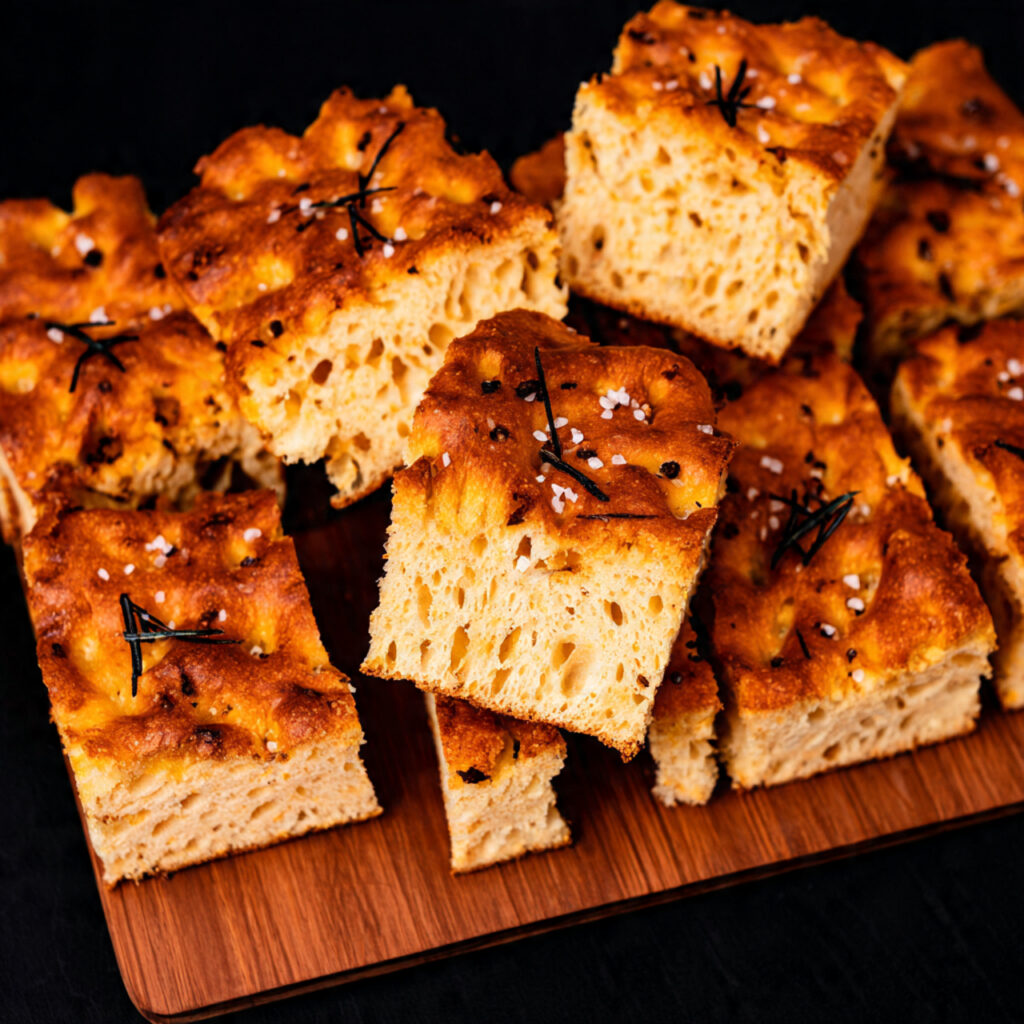
Did you know that authentic focaccia bread contains nearly 40% more olive oil than regular bread dough, which is precisely what gives it that irresistibly crispy exterior and pillowy soft interior? This Italian flatbread masterpiece has captivated home bakers worldwide, yet many believe it requires professional skills to achieve bakery-quality results. The truth might surprise you: making focaccia bread at home is remarkably simple, requiring just a handful of basic ingredients and minimal hands-on time. Whether you’re a novice baker or a seasoned pro looking to perfect your technique, this comprehensive guide will walk you through creating restaurant-worthy focaccia bread in your own kitchen, complete with that signature golden crust and herb-infused flavor that makes this Italian classic absolutely unforgettable.
Focaccia bread represents more than just another baking project—it’s a versatile canvas for culinary creativity. From classic rosemary and sea salt toppings to innovative desserts featuring sweet variations, this flatbread adapts beautifully to both savory and sweet applications. Today, we’ll explore the traditional savory version that serves as the foundation for countless variations, ensuring you master the fundamental techniques that will elevate your bread-baking game forever.
Ingredients List
Essential Ingredients
For the Dough:
- 4 cups (500g) all-purpose flour or bread flour – Bread flour creates a chewier texture, while all-purpose yields a softer crumb
- 2 teaspoons (7g) instant yeast – Active dry yeast works too; just proof it in warm water first
- 2 teaspoons (10g) fine sea salt – Enhances flavor and strengthens gluten structure
- 2 cups (475ml) warm water (100-110°F) – Critical for yeast activation without killing it
- 4 tablespoons (60ml) extra virgin olive oil – Plus extra for the pan and drizzling
For Topping:
- ¼ cup (60ml) high-quality extra virgin olive oil – The star of the show for that golden finish
- 2-3 sprigs fresh rosemary – Or 1 tablespoon dried rosemary
- Flaky sea salt – Maldon or fleur de sel work beautifully
- Freshly cracked black pepper (optional)
Smart Substitutions
- Gluten-Free Option: Use a 1:1 gluten-free baking flour blend with added xanthan gum
- Flour Alternatives: Substitute up to 1 cup whole wheat flour for added nutrition and nutty flavor
- Herb Variations: Try fresh thyme, oregano, sage, or a combination
- Vegan-Friendly: This recipe is naturally vegan when using plant-based ingredients
- Sweet Desserts Twist: Replace salt with sugar, omit herbs, and top with grapes, figs, or honey for focaccia dolce
Timing
Understanding the timeline for focaccia bread helps you plan perfectly:
- Preparation Time: 15 minutes (active mixing and kneading)
- First Rise: 60-90 minutes (until doubled in size)
- Shaping & Second Rise: 30-45 minutes
- Baking Time: 20-25 minutes
- Total Time: Approximately 2.5-3 hours
Time-Saving Insight: This represents roughly 20-30% less active work time compared to traditional artisan breads, with most of the duration being passive rising time. You can also prepare the dough the night before, allowing it to cold-ferment in the refrigerator for 12-24 hours, which actually enhances flavor complexity while fitting seamlessly into your schedule.
Step-by-Step Instructions
Step 1: Create the Dough Foundation
Combine warm water and yeast in a large mixing bowl, stirring gently to dissolve. Wait 5 minutes until the mixture becomes slightly foamy, indicating active yeast. Add flour, salt, and 4 tablespoons of olive oil. Using a wooden spoon or stand mixer with a dough hook, mix on low speed for 2-3 minutes until a shaggy, sticky dough forms. Don’t worry if it looks wetter than traditional bread dough—focaccia bread thrives on higher hydration levels.
Pro Tip: The dough should be soft, sticky, and barely pullable. If it’s too dry, add water one tablespoon at a time.
Step 2: Knead to Perfection
If using a stand mixer, knead on medium speed for 5-6 minutes. For hand-kneading enthusiasts, lightly oil your work surface and knead for 8-10 minutes until the dough becomes smooth and elastic. The windowpane test works beautifully here: stretch a small piece of dough—if it forms a thin, translucent membrane without tearing, your gluten development is perfect.
Step 3: First Rise Magic
Transfer the dough to a lightly oiled bowl, turning once to coat all surfaces. Cover with a damp kitchen towel or plastic wrap. Place in a warm, draft-free location (75-80°F is ideal) for 60-90 minutes, or until the dough doubles in volume. This fermentation period develops the complex flavors that distinguish exceptional focaccia bread from ordinary flatbreads.
Temperature Hack: Create a proofing environment by turning your oven on for 1 minute, then turning it off and placing the dough inside with the door closed.
Step 4: Pan Preparation and Shaping
Generously coat a 9×13-inch baking pan or rimmed sheet pan with 2-3 tablespoons of olive oil—don’t be shy! Turn the risen dough into the pan and gently press it toward the edges using oiled fingertips. If the dough resists, let it rest for 10 minutes, then continue stretching. The oil creates that signature crispy, golden bottom crust that makes focaccia bread irresistible.
Step 5: The Dimpling Technique
This iconic step defines focaccia bread visually and texturally. Using your fingertips, press firmly into the dough, creating deep dimples across the entire surface. These pockets will hold olive oil and toppings while creating varied textures throughout the bread. Drizzle 2-3 tablespoons of olive oil over the surface, ensuring it pools in the dimples.
Step 6: Second Rise and Topping
Cover loosely and let rise for 30-45 minutes until puffy and nearly doubled. Meanwhile, preheat your oven to 425°F (220°C). After the second rise, add final touches: press fresh rosemary sprigs into the dough, sprinkle generously with flaky sea salt, and add another drizzle of olive oil.
Creative Variation: For desserts-inspired focaccia, skip herbs and add halved grapes, sliced figs, or a honey drizzle before baking.
Step 7: Bake to Golden Perfection
Bake for 20-25 minutes until the top is deeply golden brown and the edges are crispy. The internal temperature should reach 190-200°F. If you prefer extra crispiness, broil for the final 1-2 minutes while watching carefully.
Step 8: Finishing Touches
Remove from the oven and immediately brush with additional olive oil for extra richness and shine. Let cool in the pan for 5 minutes, then transfer to a wire rack. Serve warm or at room temperature—both are equally delicious.
Nutritional Information
Per Serving (1 slice, recipe yields 12 servings):
- Calories: 215
- Total Fat: 9g (12% DV)
- Saturated Fat: 1.3g
- Monounsaturated Fat: 6.5g (primarily from olive oil)
- Cholesterol: 0mg
- Sodium: 395mg (17% DV)
- Total Carbohydrates: 29g (10% DV)
- Dietary Fiber: 1.2g
- Sugars: 0.5g
- Protein: 5g
- Vitamin E: 8% DV (from olive oil)
- Iron: 10% DV
- Magnesium: 4% DV
Health Insight: Focaccia bread made with extra virgin olive oil provides heart-healthy monounsaturated fats and antioxidants. While it’s higher in calories than some breads due to olive oil content, these are nutrient-dense calories that support cardiovascular health and provide sustained energy.
Healthier Alternatives for the Recipe
Transform your focaccia bread into a more nutritious option without sacrificing flavor:
- Whole Grain Boost: Replace 1-2 cups of all-purpose flour with whole wheat or spelt flour for added fiber (increases fiber to 3-4g per serving).
- Reduce Oil Gradually: Cut the olive oil by 25-30% for a lighter version. While this affects texture slightly, you’ll still achieve delicious results with 190 calories per serving.
- Ancient Grains: Experiment with einkorn or kamut flour for increased protein content and unique, nutty flavors.
- Seed Enhancement: Add 2-3 tablespoons of flaxseed or chia seeds to the dough for omega-3 fatty acids and additional fiber.
- Vegetable Integration: Incorporate finely chopped sun-dried tomatoes, roasted bell peppers, or caramelized onions directly into the dough for added nutrients and flavor complexity.
- Portion Control: Cut into 16 smaller squares instead of 12 larger pieces, reducing calories to approximately 160 per serving.
Serving Suggestions
Focaccia bread’s versatility makes it the perfect accompaniment for countless meals and occasions:
Classic Italian Style:
- Serve alongside pasta dishes, letting the bread soak up rich tomato or cream sauces
- Create an antipasto platter with focaccia, cured meats, olives, and aged cheeses
- Pair with minestrone soup or Italian wedding soup for a comforting meal
Sandwich Creations:
- Slice horizontally to create panini with mozzarella, tomatoes, and basil
- Build hearty sandwiches with roasted vegetables, hummus, and arugula
- Transform into breakfast sandwiches with eggs, cheese, and prosciutto
Appetizer Excellence:
- Cut into bite-sized squares and serve with flavored olive oils for dipping
- Top with whipped ricotta, honey, and crushed pistachios for an elegant starter
- Create bruschetta using focaccia as the base instead of traditional baguette slices
Desserts Innovation:
- Prepare focaccia dolce by topping with mascarpone, fresh berries, and a balsamic reduction
- Serve with gelato for an unexpected but delightful combination
- Create bread pudding using day-old focaccia for a luxurious dessert
Common Mistakes to Avoid
Learning from these pitfalls ensures your focaccia bread succeeds every time:
1. Water Temperature Errors: Water that’s too hot (above 120°F) kills yeast, while water too cold (below 90°F) won’t activate it properly. Aim for 100-110°F—it should feel warm but not hot to the touch.
2. Insufficient Olive Oil: Studies show that traditional focaccia recipes use 15-20% olive oil by flour weight. Skimping creates dry, dense bread. Embrace the oil—it’s essential to authentic texture and flavor.
3. Over-Kneading: While some kneading is necessary, focaccia bread doesn’t require the intensive work of other breads. Over-developed gluten creates tough, chewy results instead of the desired tender crumb.
4. Rushing the Rise: Temperature significantly affects rising time. In cooler environments, dough may need 30-45 minutes longer. Patience yields better flavor development and superior texture.
5. Shallow Dimpling: Timid dimpling disappears during the final rise. Press firmly and deeply—your fingerprints should nearly reach the bottom of the dough.
6. Inadequate Oven Temperature: Baking below 400°F results in pale, soft focaccia lacking the signature golden crust. Always preheat thoroughly and maintain 425°F throughout baking.
7. Immediate Slicing: Cutting into hot focaccia bread releases steam prematurely, creating a gummy texture. Wait at least 5 minutes for optimal results.
Storing Tips for the Recipe
Maximize freshness and flavor with proper storage techniques:
Room Temperature (1-2 Days): Store focaccia bread in an airtight container or wrapped tightly in aluminum foil at room temperature. The olive oil content helps maintain moisture, keeping it fresh longer than typical breads.
Refrigeration (Not Recommended): Avoid refrigerating focaccia as cold temperatures accelerate staling through a process called starch retrogradation, making the bread dry and tough.
Freezing (Up to 3 Months): Wrap cooled focaccia tightly in plastic wrap, then aluminum foil, or place in a freezer-safe bag with air removed. Freeze whole or pre-cut into portions for convenient single servings. Thaw at room temperature for 2-3 hours or warm directly from frozen in a 350°F oven for 10-15 minutes.
Reheating for Best Quality: Revive day-old focaccia by sprinkling lightly with water and warming in a 350°F oven for 5-8 minutes. This restores crispy edges while maintaining a soft interior. Alternatively, toast slices for sandwiches or appetizers.
Make-Ahead Strategy: Prepare dough through the first rise, then refrigerate overnight in an oiled, covered container. The next day, bring to room temperature (30-45 minutes), then continue from the shaping step. This cold fermentation actually enhances flavor complexity.
Conclusion
Creating authentic focaccia bread at home transforms simple ingredients into an extraordinary Italian classic featuring a golden, crispy crust and tender, olive oil-enriched interior. This straightforward recipe requires minimal active time while delivering bakery-quality results perfect for any occasion—from casual family dinners to elegant entertaining, and even creative desserts variations.
Ready to experience homemade focaccia magic? Gather your ingredients and try this recipe today. Share your beautiful creations and personal variations in the review section below, or leave a comment on our blog—we love seeing your interpretations! Subscribe to our newsletter for more foolproof recipes, expert baking tips, and culinary inspiration delivered straight to your inbox. Your perfect focaccia bread awaits!
FAQs
Q: Can I make focaccia bread without a stand mixer? A: Absolutely! Focaccia is perfectly achievable by hand. The dough is wetter and stickier than traditional bread, making it easier to mix manually. Simply knead for 8-10 minutes on a lightly oiled surface until smooth and elastic.
Q: Why is my focaccia dense instead of airy? A: Dense focaccia typically results from insufficient rising time, old yeast, or water that was too hot or cold. Ensure your yeast is fresh, water temperature is 100-110°F, and allow adequate time for both rises. The dough should double in size each time.
Q: Can I use this recipe to make desserts? A: Yes! For sweet focaccia desserts, reduce salt to ½ teaspoon and add 2-3 tablespoons of sugar to the dough. Top with seasonal fruits like grapes, figs, or pears, and drizzle with honey after baking. Some bakers even add a light dusting of powdered sugar for an elegant finish.
Q: What’s the difference between focaccia bread and pizza dough? A: While both are Italian flatbreads, focaccia contains significantly more olive oil (making it richer and moister), has a thicker profile (1-1.5 inches versus pizza’s thin crust), and uses dimpling rather than stretching. Focaccia is also typically enjoyed as bread rather than topped heavily like pizza.
Q: How do I know when focaccia is fully baked? A: Look for a deep golden-brown color on top and darker golden edges. The bread should sound hollow when tapped on the bottom, and an instant-read thermometer inserted in the center should read 190-200°F. The edges should feel crispy when touched.
Q: Can I add toppings before baking? A: Yes! Popular additions include cherry tomatoes, olives, caramelized onions, sun-dried tomatoes, or different herb combinations. Press them gently into the dimpled dough before the final rise. Avoid watery toppings that might make the focaccia soggy.
Q: Is focaccia bread healthy? A: Focaccia provides nutritional benefits from olive oil’s heart-healthy fats and antioxidants. While higher in calories than plain bread, the quality fats support cardiovascular health. Choose whole grain versions and practice portion control for a balanced approach.
Q: Why do I need to dimple the dough? A: Dimpling serves multiple purposes: it creates the signature focaccia appearance, prevents large air bubbles from forming, creates pockets to hold olive oil and toppings, and produces varied textures—crispy in some areas, tender in others—that make focaccia bread uniquely delicious.